

However, when it comes to electricity in Pakistan, there have been increasing problems regarding its cost and reliability. These include power cuts, higher rates, and even adjustments to the fuels used to produce electricity. In such a case, the use of solar energy is no longer optional; it becomes mandatory.
However, the installation of solar panels is insufficient, as only smart energy management systems for solar panels can make a significant impact.
The present article aims to define and explain the concepts related to smart energy management of solar power.
What is Smart Energy Management in Solar?
Smart energy management solar refers to the use of intelligent systems, software, and automation to monitor, control, and optimize how solar energy is produced, stored, and consumed.
Instead of simply generating electricity from solar panels, a smart system ensures:
- Energy is used efficiently
- Waste is minimized
- Grid dependency is reduced
- Electricity bills are optimized
It connects different components like solar panels, inverters, batteries, and appliances into one intelligent ecosystem.
Why Traditional Solar Systems Fall Short
Many people in Pakistan install solar systems expecting zero electricity bills. However, they are often disappointed. The issue is not the solar panels-it’s the lack of smart management.
Here’s what usually goes wrong:
- Solar energy is generated, but not used efficiently
- Excess energy is wasted instead of being stored or exported
- Appliances run at the wrong times
- No real-time monitoring of usage
Without smart energy management, even a 10kW system can underperform.
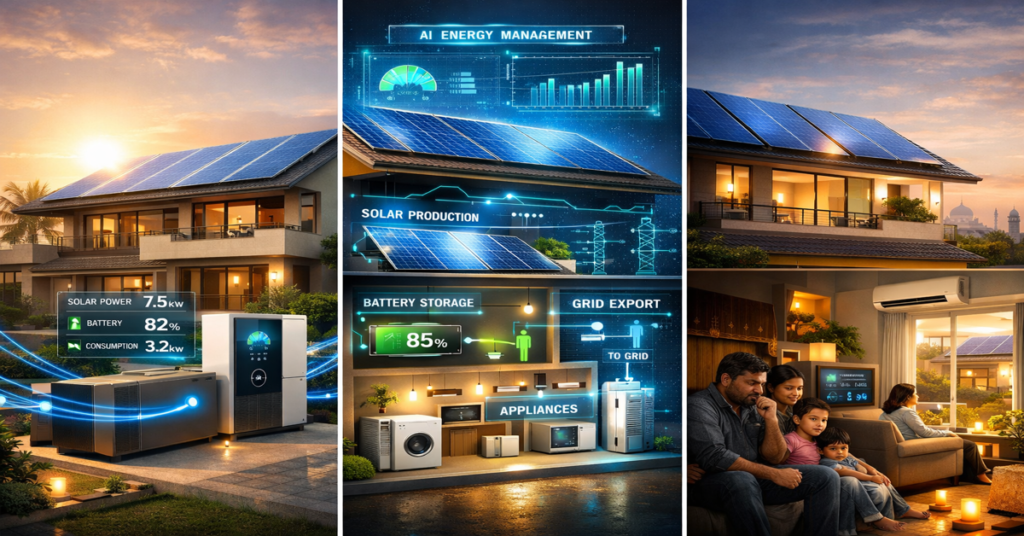
Key Components of a Smart Solar Energy System
A smart solar setup includes more than just panels. Each component plays a critical role:
1. Smart Solar Inverter
The inverter is the brain of the system. Modern smart inverters:
- Track energy production and consumption
- Provide mobile app monitoring
- Optimize power flow between grid, battery, and load
You can explore advanced inverter options here: Fronus Titan 15kWh Battery.
2. Energy Monitoring System
This allows you to see:
- How much energy are you generating
- How much are you consuming
- When your peak usage occurs
With this data, you can adjust your habits and save more.
3. Battery Storage (Optional but Powerful)
Batteries store excess solar energy for:
- Night-time use
- Backup during load shedding
Smart systems decide automatically when to charge or discharge batteries.
4. Smart Load Management
This feature automatically controls appliances such as:
- ACs
- Water pumps
- Geysers
For example, your system can run heavy appliances only when solar production is high.
How Smart Energy Management Solar Works
A smart system continuously analyzes data and makes decisions in real time.
Example Scenario (Typical Pakistani Home):
| Time of Day | Solar Production | Energy Usage | Smart Action |
| Morning | Medium | Low | Charge battery |
| Afternoon | High | High | Run AC, washing machine |
| Evening | Low | High | Use battery power |
| Night | None | Medium | Minimize usage/use grid |
This intelligent balancing ensures:
- Maximum solar utilization
- Minimum reliance on expensive grid electricity
Benefits of Smart Energy Management Solar
1. Lower Electricity Bills
By optimizing energy use, you reduce reliance on DISCOs like WAPDA.
2. Better Return on Investment (ROI)
Instead of wasting solar energy, you utilize every unit effectively.
3. Load Shedding Protection
Smart systems prioritize essential loads during outages.
4. Real-Time Control
You can monitor and control your system from your mobile phone.
5. Energy Independence
Less dependence on rising fuel-based electricity costs.
Smart Solar for Pakistani Homes vs Businesses
Residential Use
- Optimize daily appliance usage
- Reduce peak-hour consumption
- Improve backup efficiency
Commercial Use
- Manage heavy loads like machinery
- Reduce operational costs
- Improve energy planning
Businesses benefit even more because energy waste directly impacts profit margins.
Common Mistakes to Avoid
Even with smart systems, people make errors:
- Installing oversized or undersized systems
- Ignoring energy usage patterns
- Not using monitoring apps
- Choosing cheap, non-smart inverters
A properly designed system is always better than a larger but poorly managed one.
Role of Net Metering in Smart Energy Systems
In Pakistan, net metering allows you to export excess electricity back to the grid.
Smart systems help by:
- Sending excess energy automatically to the grid
- Maximizing exports during peak production hours
This can significantly reduce your bill-or even make it zero in some cases.
How to Choose the Right Smart Solar Setup
When planning your system, consider:
1. Load Analysis
Understand your daily and monthly electricity usage.
2. Smart-Compatible Equipment
Choose inverters and batteries that support smart features.
3. Expandability
Your system should allow future upgrades.
4. Reliable Supplier
Always work with trusted providers like Enontraders.
Future of Smart Energy in Pakistan
Pakistan is moving towards smarter energy solutions. With rising electricity prices and increasing solar adoption, smart energy management will soon become standard.
Trends to watch:
- AI-based energy optimization
- Smart grids integration
- Advanced battery technologies
- IoT-enabled appliances
Early adopters of smart solar systems will benefit the most.
Final Thoughts
Installing solar panels is just the first step. The real savings come from how intelligently you use that energy. That’s where smart energy management solar systems make all the difference.
In a country like Pakistan, where electricity is expensive and unreliable, smart solar is not just a luxury; it’s a necessity.
If you want:
- Lower bills
- Better performance
- Energy independence
Then investing in a smart solar system is the right move.