
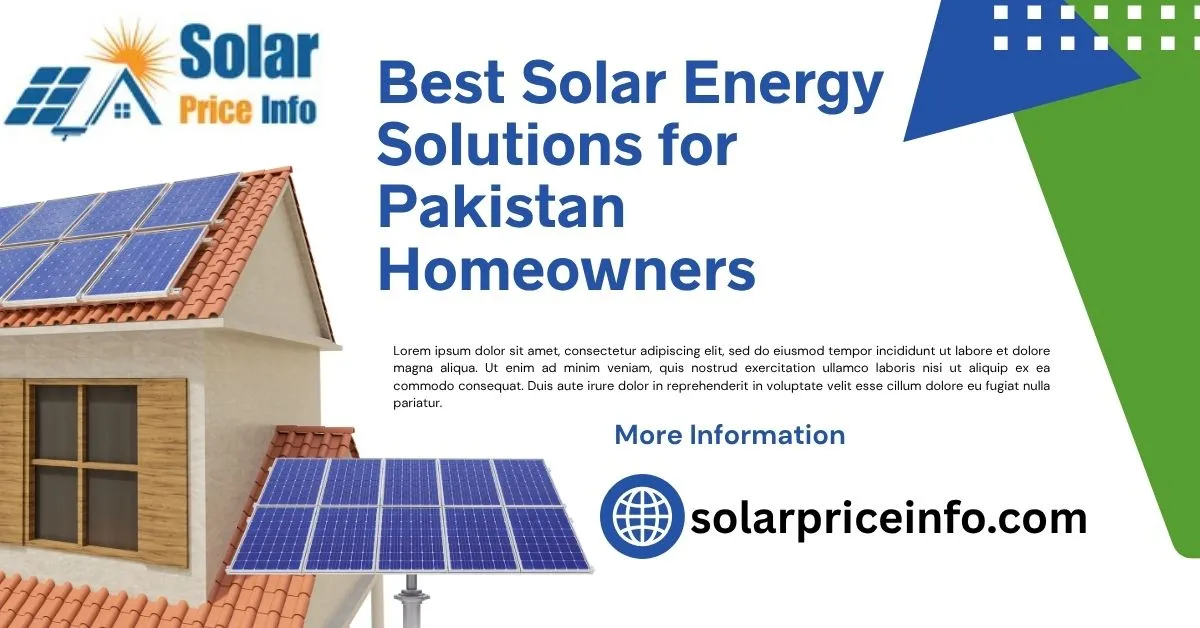
The Best Solar Energy Solutions for Pakistani Homeowners are hybrid and grid-tied systems that include high-efficiency solar panels from brands like Longi, Jinko, and Trina Solar, paired with durable inverters from companies like Huawei or Fronius. These systems are reliable and can provide electricity even during power outages, using a combination of solar panels, inverters, and batteries.
Rising electricity costs, frequent load shedding, and increased demand for reliable power have encouraged Pakistani homeowners to shift toward solar energy. Solar systems are now more affordable, more efficient, and more accessible than ever. They help reduce electricity bills, provide backup during outages, and support a cleaner environment.
In this guide, we explore the best solar energy solutions for Pakistani homeowners, their benefits, system types, components, installation process, and tips to improve efficiency.
Also CHeck: Solar Panel Price in Pakistan
Why Pakistani Homeowners Should Switch to Solar Energy
Solar energy is becoming one of the smartest investments for households in Pakistan. Here’s why:
1. Lower Electricity Bills
Homeowners can generate their own power and greatly reduce monthly utility costs.
2. Reliable Backup During Load Shedding
Hybrid and off-grid systems ensure uninterrupted electricity even during long outages.
3. Eco-Friendly Energy Source
Solar is clean, renewable, and reduces carbon emissions.
4. Government Incentives & Net Metering
Sell excess electricity back to the grid and recover installation costs faster.
5. Long-Term Financial Savings
Solar systems last 20–25 years and require minimal maintenance.
Also Read: Net Metering in Pakistan
Types of Solar Energy Solutions in Pakistan
To choose the best solar system for your home, it’s essential to understand the available types:
1. Grid-Tied Solar System
Best for urban homeowners with stable electricity.
Benefits:
- Lower cost
- Net metering available
- Uses solar in the day and grid at night
2. Off-Grid Solar System
Perfect for rural homes with frequent power breakdowns.
Benefits:
- Complete independence from WAPDA
- Battery storage for night use
- No grid connection required
3. Hybrid Solar System (Most Popular Choice)
Ideal for Pakistani homes needing both savings and backup power.
Benefits:
- Works during load shedding
- Supports net metering
- Stores energy in batteries
Also Read: Solar System Price in Pakistan
Main Components of Solar Energy Systems
Choosing quality components maximizes performance and lifespan.
1. Solar Panels
- Options: Monocrystalline, Polycrystalline, Thin-Film
- Mono panels provide the highest efficiency for Pakistani weather
2. Solar Inverters
- String inverters for basic setups
- Hybrid inverters for backup and net metering systems
3. Solar Batteries
- Necessary for off-grid and hybrid systems
- Lithium-ion and deep-cycle batteries recommended
4. Mounting Structures
- Must resist strong winds and heat
- Optimal tilt angle improves energy production
5. Charge Controllers
- Protect batteries from damage
- Improve energy management
Also Read: Solar Panel verification
How to Choose the Best Solar Energy Solution for Your Home
Follow these tips before investing:
✔ Assess Your Daily Energy Usage
Check your monthly units (kWh) to size your system correctly.
✔ Evaluate Your Budget
Compare prices of 3–4 trusted solar installers.
✔ Check Roof Space
Panels need 100–150 sq. ft. per kilowatt.
✔ Choose the Right Type
- Grid-tied: For low outages
- Off-grid: For rural homes
- Hybrid: For reliable backup
✔ Select a Trusted Solar Company
Ensure warranty, after-sales service, and certified equipment.
Benefits of Solar Energy for Pakistani Homeowners
- Big Savings on electricity bills
- Reliable power during outages
- Eco-friendly & renewable energy
- Low maintenance cost
- Higher property value
- Net metering benefits
Also Read: Solar panel Installment by Bank Alfalah
Solar Installation Process in Pakistan
Step 1: Site Survey
Roof inspection, shade analysis, and energy need evaluation.
Step 2: System Design
Panel size, inverter selection, and battery planning.
Step 3: Equipment Procurement
Purchase branded and warranty-backed products.
Step 4: Installation
Panel mounting, wiring, inverter setup, and battery connection.
Step 5: Testing & Commissioning
System performance testing and homeowner training.
Maintenance Tips for Long-Lasting Solar Systems
- Clean panels every 2–3 months
- Check inverter performance weekly
- Inspect batteries regularly
- Get annual professional service
Challenges Pakistani Homeowners May Face
- High initial investment
- Limited roof space
- Dust reducing efficiency
- Weather variance in winter
(Hybrid systems help overcome most of these issues.)
Also Read: 1 kW Solar System Price in Pakistan
Conclusion
The best solar energy solutions for Pakistani homeowners offer long-term savings, reliability, and eco-friendly power. With government incentives, net metering, and improved technology, now is the perfect time to switch to solar. By selecting the right type, choosing certified equipment, and hiring trusted installers, Pakistani households can enjoy clean and affordable power for decades.
FAQs
Which solar system is best for Pakistani homeowners?
Hybrid solar systems are the best option because they provide backup during load shedding and support net metering.
How much does a 5kW solar system cost in Pakistan?
In 2026, a 5kW system typically costs between PKR 700,000 to PKR 1,200,000, depending on brand and battery type.
How long do solar panels last in Pakistan?
Quality panels last 20–25 years, with efficiency dropping slightly over time.
Can I sell extra solar electricity to WAPDA?
Yes, through net metering, homeowners can sell surplus energy to the national grid.
Do solar panels work on cloudy days?
Yes, but with reduced efficiency. Hybrid systems store energy in batteries for backup.
2 thoughts on “Best Solar Energy Solutions for Pakistani Homeowners (Hybrid & Grid-Tied Systems)”